

Written by Spencer Slater
Aurora Copywriting
The UK is often called a ‘nation of animal lovers’ with around half of all households having a pet. We also have some of the oldest and strictest animal welfare laws in the world, with pioneering campaigning work being carried out by organisations like the RSPCA since the 19th century.
Despite this, animal cruelty is still something the national RSPCA sees on a daily basis. The facts are startling: the national RSPCA cruelty line receives around 2500 calls a day reporting suspected animal cruelty, with 61,000 reports of abused or neglected pets received in 2024 alone
That means staff and volunteers at National RSPCA are at the frontline when it comes to tackling animal cruelty. At the RSPCA Hull & East Riding, it’s our mission to rehabilitate, and rehome vulnerable animals once they been recovered by National RSPCA or surrendered by members of the public. Understanding the impact of cruelty, and what each of us can do to help stop it is essential.
Animal Cruelty Has Many Forms
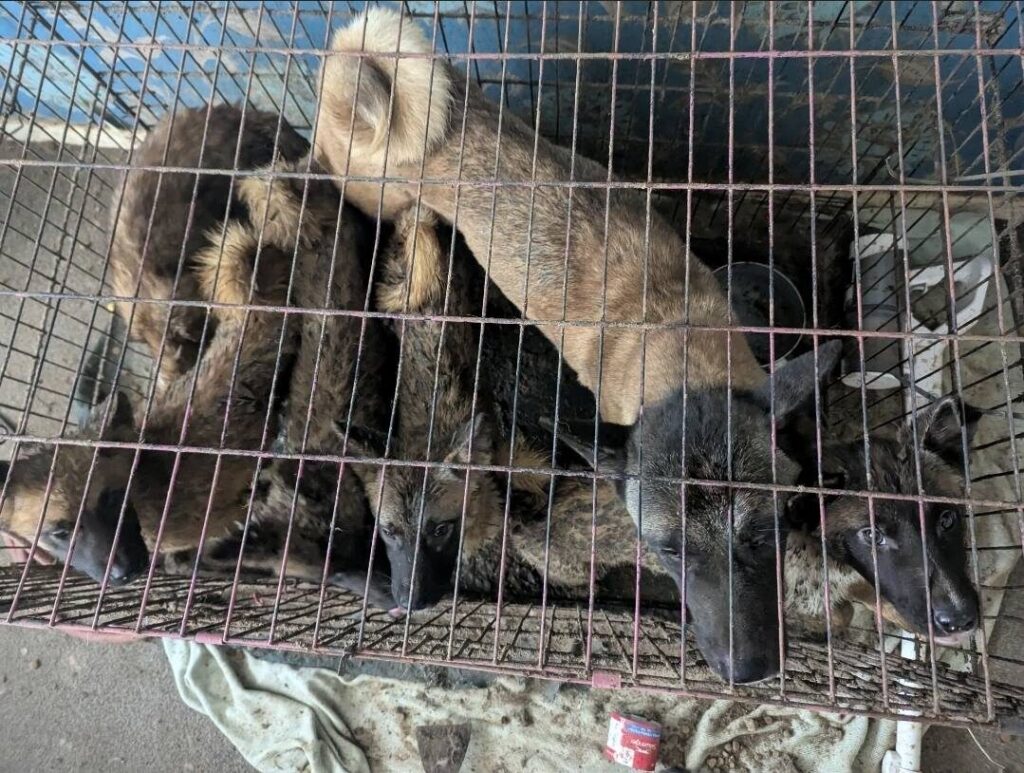 The animal cruelty cases encountered don’t always look the same. Some involve deliberate acts of harm to pets, farm or wild animals. A significant percentage stems from a lack of knowledge leading to neglect, changing personal circumstances, or an inability to cope. Regardless of the cause, the suffering inflicted on the animal can be devastating.
Intentional cruelty can include physical abuse, purposeful neglect, and environments where animals are kept in perpetual fear or distress. Unintentional cruelty, often linked to a poor understanding of an animal’s needs, may also lead to prolonged suffering. This can include failing to provide adequate food, water, shelter, or veterinary care.
National RSPCA regularly encounter animals suffering both types of cruelty, from cats abandoned in empty properties, to dogs left without food, and wildlife injured by traps or human carelessness.
The Physical and Emotional Impact on Animals
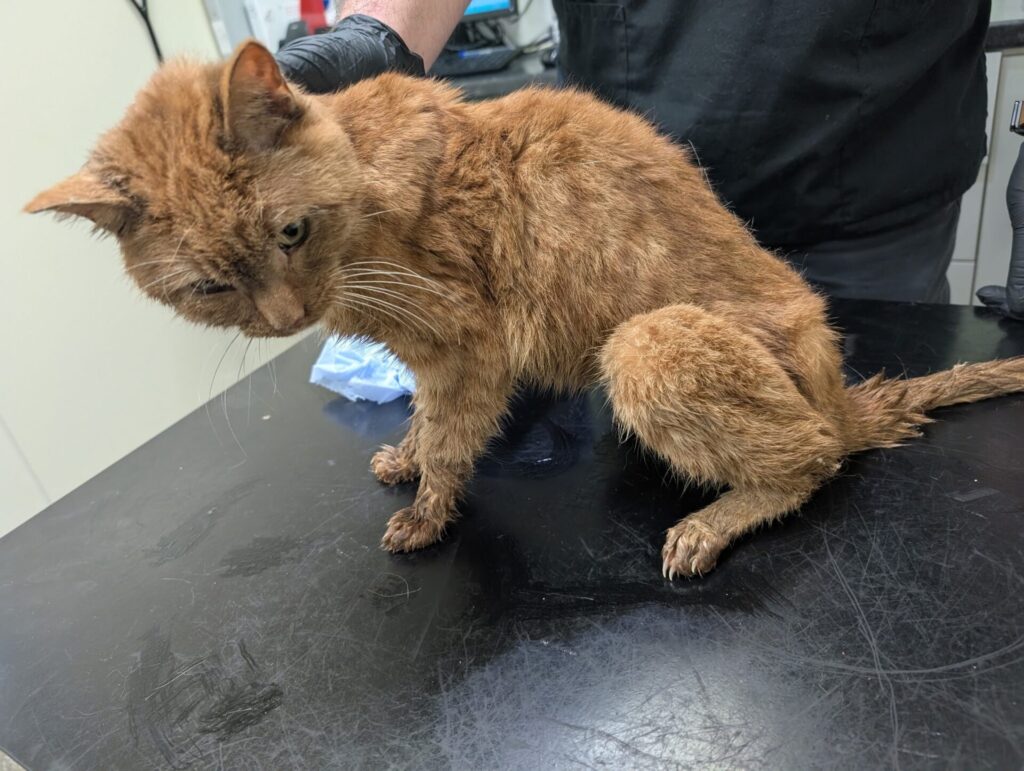 Just like humans, animals experience pain, fear, and distress in stressful and harmful situations. Physical injuries from cruelty can include broken bones, untreated illnesses, infections, and malnutrition, but the emotional impact can be just as significant. In many cases, it can be longer lasting.
Animals that have been abused or neglected will often develop:
- A fear of other animals and people.
- Anxiety and stress-related behaviours.
- Difficulties adapting to new environments.
- Aggressive behaviour and other long-term behavioural challenges.
At the RSPCA Hull & East Riding Branch, our staff and volunteers understand the role trauma can play in shaping an animal’s behaviour, and we use a range of techniques and strategies to address these. Through patience, steady rehabilitation, consistent care, and gentle socialisation, animals can regain their confidence and trust again.
We witness this transformation ourselves, seeing animals who have been rescued from appalling conditions find loving forever homes. Every time, it highlights just how vital our work is.
The Wider Impact
 Animal cruelty harms more than just animals. Research repeatedly shows there is a strong link between cruelty to animals and violence towards people. Places where cruelty is prevalent will often face wider issues of antisocial behaviour and poor wellbeing.
Cruelty places significant pressure on rescue organisations, with the national RSPCA responding to tens of thousands of reports. Local branches like ours work tirelessly to care for the animals rescued or brought into our centres. This work is skilled and requires time, training and financial support, as well as the dedication of our volunteers.
By increasing awareness and preventing cruelty, not only are animals protected but communities become safer and more compassionate for everyone.
How We Can Stop Animal Cruelty
Ending cruelty requires action from individuals, communities and organisations. Thankfully, there are a number of ways that everyone can play their part in creating a safer world for animals:
- Recognise the signs of cruelty: common signs of an animal at risk can include visible injuries, extreme thinness, unkempt matted fur, animals kept in filthy or dangerous environments, continuous barking or distress sounds.
- Report any cruelty or neglect to the National Cruelty Line 0300 1234 999: if you suspect or witness cruelty, contact the national RSPCA. The RSPCA investigates any reports of animal suffering and can take action to remedy the situation.
- Encourage responsible pet care: prevention begins with understanding. Responsible pet care such as microchipping, proper diet, vet care, and enrichment, all help reduce neglect. Education programmes, including our Petwise scheme, play an essential role in developing greater respect for animals.
- Promote kindness towards animals: leading by example by treating animals with care and speaking up when you see mistreatment can help compassion become the norm. Suggesting and showing family members how to care for animals can have a lasting impact, especially to children.
- Volunteer with the RSPCA: if you’d like to go further and support our work, then why not consider volunteering? We have a wide range of roles available and even just a few hours a month can make a real difference.
Standing Together Against Animal Cruelty
Animal cruelty can cause deep and lasting harm, but by standing with the national RSPCA, our Branch and other animal welfare organisations, we can collectively protect vulnerable animals. Whether through reporting neglect, supporting rescue work, or volunteering, together we can ensure that cruelty has no place in our community.
