

Written by Spencer Slater
Aurora Copywriting
 Animal welfare is sometimes seen as an issue that focuses purely on the health and wellbeing of animals. While pets might be the primary beneficiaries of better care, understanding and attention, the impact of animal welfare goes much further.
The way we treat animals has a profound impact on the health and wellbeing of our communities. From disease prevention and environmental protection to mental wellbeing, animal welfare is interconnected with public health.
We understand that improving animal welfare helps to build healthier, safer communities, as well as better lives for animals. In this article, we explore that relationship in more detail.
Understanding the link between animal welfare and public health
When animals are well cared for, vaccinated, properly accommodated, and treated with kindness, the risks to human health decrease. However, if animals are suffering neglect and cruelty, and made to live in poor conditions, problems can develop that have the potential to impact society at large.
A good example of this are viruses that pass between animals and humans, known as zoonotic diseases. While these diseases have always existed, their spread is linked to environments where animals live in unclean, overcrowded, and stressed conditions. Neglect and lack of veterinary care increase the risk.
With global travel and more animals on the planet, viruses can mutate and spread faster than authorities are able to respond. Responsible animal husbandry and early intervention all reduce these risks.
Reducing the spread of disease
There is a direct connection between animal welfare and infectious disease control. When animals receive proper vet care, hygiene, and vaccinations, it helps to prevent the spread of viruses, bacterial infections, and parasites.
Some of the most common preventable illnesses are:
- Fleas and ticks that carry disease
- Worms transmissible to humans
- Cat-scratch infections
- Diseases like parvovirus or leptospirosis, which can spread through contaminated environments
At the RSPCA Hull & East Riding, we play a key role in tackling these problems by ensuring that rescued animals receive essential vet care, parasite prevention, and vaccinations. Through rehabilitation and responsible rehoming, our branch helps to reduce the numbers of unhealthy or unvaccinated animals in the local community.
Animal welfare and mental health
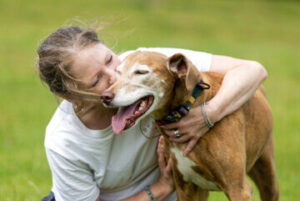 There are proven links between caring for animals and positive mental health providing emotional support, reducing loneliness, anxiety and stress. Healthy, well cared for animals also make happier companions, who repay the care they receive with love and affection. When pets develop behavioural problems because of trauma or neglect, it can place a strain on households and communities.
Positive animal welfare and happy pets encourage:
- improved companionship and emotional support
- opportunities for physical activity (especially with dogs)
- reduced feelings of loneliness
- consistent routines that improve mental stability
We patiently rehabilitate traumatised animals to ensure that they are matched with adopters who can offer them a forever home. We work to create successful human-animal relationships that have a positive impact on the animals and their new families.
Reducing antisocial behaviour
 Studies have shown that there are strong links between incidence of animal cruelty and wider forms of antisocial behaviour. Communities where cruelty is unchallenged will often experience broader social issues. By tackling animal cruelty, the cycle can be broken.
Improved animal welfare can benefit communities through:
- reduced incidents of cruelty and associated violent behaviour
- greater empathy and social responsibility among young people
- stronger neighbourhood bonds through the presence of happy pets
Teaching young people to value empathy and kindness through responsible animal care reinforces positive behaviour that can extend into adulthood.
Environmental health and wildlife protection
Wildlife plays an essential role in maintaining the balanced ecosystems that humans depend upon. When wildlife is harmed through cruelty, habitat destruction, or pollution, natural systems can all become disrupted.
Healthy ecosystems support public health through:
- reduction in the spread of pests
- improved air and water quality
- supporting pollinators that are essential for food production
As well as caring for domestic and farm animals, the National RSPCA responds to injured wildlife.
Supporting happier, healthier animals and communities
Supporting good animal welfare is one of the easiest ways people can protect themselves and community health. Through responsible pet ownership, reporting cruelty or neglect, caring for local wildlife, and by choosing meat and dairy products that carry the RSPCA Assured label, individuals can support a healthier, more compassionate future, for animals and people alike.

