

Written by Spencer Slater
Aurora Copywriting
Our staff and volunteers are at the heart of everything we do. Their care, commitment, compassion, and dedication are the key ingredients behind every successful rehabilitation or rehoming story. They work tirelessly to improve animal welfare.
At RSPCA Hull & East Riding, our commitment to caring for animals goes hand in hand with caring for the people who make that work possible.
While working in animal welfare can be particularly rewarding, it also comes with a complex range of emotional and physical demands. Staff and volunteers regularly come face to face with neglect, cruelty, or abandonment, and see the impact it has on animals. Supporting those vulnerable animals through recovery requires patience, resilience, and compassion.
We place significant importance on well-being, supporting our teams to ensure that people who care for animals also receive the support they need to thrive.
The emotional realities of animal welfare work
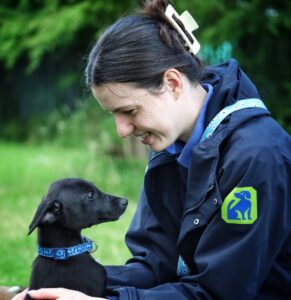 While it’s incredibly rewarding to see a sick, neglected animal journey back to full health, or find a loving forever home for an abandoned pet, there’s no getting away from the challenges in our work. Animal welfare professionals and volunteers will often witness difficult situations. Animals that arrive at our centre may be seriously injured, very frightened, or suffering from trauma.
All these challenges mean that the emotional impact of animal welfare work can be significant.
Emotional exhaustion, stress, and compassion fatigue are recognised challenges within the animal welfare sector. It’s natural that our staff and volunteers become emotionally invested in the animals they care for, particularly with animals who stay with us for long-term rehabilitation.
At RSPCA Hull & East Riding, we understand that for high standards of animal care to be maintained, it’s essential that the mental wellbeing of our staff and volunteers is protected.
Creating a supportive environment
Underpinning wellbeing is a positive, supportive environment, where staff and volunteers are given everything they need to carry out their roles to the best of their abilities. Animal centres rely heavily on teamwork, good communication, and mutual support. Through fostering a culture where people feel respected and valued, we can reduce stress and improve morale.
Our volunteers and staff work together closely across different roles, from frontline animal care, to administration, fundraising, and retail. By building strong relationships within teams where everyone plays a part, it helps create a community with a shared purpose.
Feeling connected to colleagues and fully supported in challenging situations enables us to work more effectively and makes a significant difference to overall wellbeing.
 The importance of recognition
Animal welfare often happens behind the scenes, with many tasks being repetitive and physically demanding, as well as emotionally challenging.
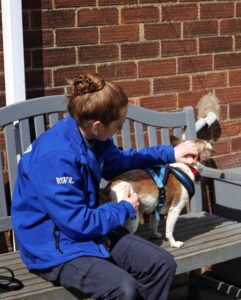
Celebrating successes, recognising struggles, and acknowledging individual and collective achievements, or simply saying thank you, can have a powerful impact. Whether it’s helping a nervous dog to recover its confidence, caring for injured wildlife, or supporting successful fundraising initiatives, every role contributes to our wider mission.
At the RSPCA Hull and East Riding, we understand that people are more likely to remain engaged and motivated if they feel appreciated and know that their efforts make a difference.
Training and development
One of the ways in which we support our staff and volunteers is through training and development. This helps them feel more confident and capable in their particular roles and supports their well-being. There’s the chance to learn new skills, take on new challenges, and deepen understanding of animal behaviour.
For individuals involved in animal care, training might include guidance on handling and recognising signs of stress or fear in animals. This not only improves the welfare outcomes for animals, but ensures staff and volunteers are more prepared and supported. By addressing any fears or concerns, smaller issues have less chance of growing into significant wellbeing challenges.
Through training and development opportunities, volunteers can find pathways into careers within animal welfare, retail, or the charitable sector.
 The benefits of working with animals
Although animal welfare work can be challenging, the positive benefits for mental health of spending time with animals are well documented. Caring for animals encourages routine, focus, and emotional connection.
Our staff and volunteers report a strong sense of fulfilment from seeing animals progress through rehabilitation and into loving, forever homes. Moments of hope as a frightened animal learns to trust or interact confidently can be incredibly rewarding.
For many individuals, volunteering itself has positive wellbeing benefits. Studies consistently show that volunteering can reduce feelings of isolation, improve confidence, and create a stronger sense of purpose.
Finding purpose as part of our team
At RSPCA Hull & East Riding, our team of staff and volunteers is key to everything we do. Together we support each other as we work together to achieve incredible things for the animals in our care.
If you’d like to learn more about volunteering the rewards it gives and the opportunities it can open, then we’d love to tell you more.

