

Written by Spencer Slater
Aurora Copywriting
We’ve all had moments where we’ve looked at our pets and wondered just what exactly is going on in their heads. Although we might think we have a pretty good understanding of our four-legged friends, there are times when their behaviour can seem confusing.
Having some understanding of what different pet behaviours mean is essential for owners. It can give us an indication about our pet’s wellbeing, if they are happy, or stressed, or feeling discomfort.
Why It’s Important to Pay Attention to Pet Behaviour
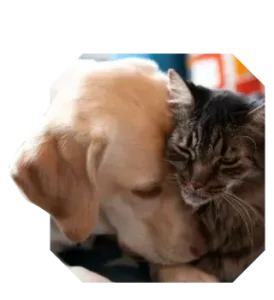 At the RSCPA Hull & East Riding, understanding behaviour is an essential part of our work in rehabilitating and rehoming animals. Many animals that arrive at our animal centre have experienced difficult environments, neglect, or abandonment. As a result, they can sometimes display behaviors that reflect their confusion and anxiety.
Through patience, careful training, and the right environment, animals can regain their confidence and learn how to trust people again.
Whether a dog is wagging its tail or a cat flicking its ears, these kinds of actions convey information about how the animal is feeling. For instance, a dog that growls may be signalling that it’s feeling threatened or overwhelmed. Rather than being aggressive, it could be asking for space. Recognising this early warning can prevent extra stress being placed on the dog to which it may react.
What are some of the common pet behaviours that owners should look out for?
Common Behaviours in Dogs
 Dogs are highly expressive and are constantly communicating with their humans, but some signals are subtler than others.
Some key behaviours to look out for include:
- Tail Wagging: while usually associated with a happy dog, tail wagging is also an indication of excitement and nervousness, depending on its speed and the dog’s posture.
- Lip Licking or Yawning: dogs often exhibit small, often unnoticed lip licks as an indicator of stress or nervousness. Yawning can also be a signal that the dog is feeling uncomfortable rather than just tiredness.
- Raised Hackles: fur standing up along a dog’s back can be an indicator of heightened arousal, whether that’s excitement or fear.
- Avoidance: turning the head away, hiding, or backing up can signal anxiety and a desire to escape a situation.
Understanding these different behaviours can help dog owners recognise when their beloved friend is stressed or overstimulated.
Common Behaviours in Cats
 Cat communication is significantly different to dogs, despite both relying heavily on body language. With your cat, it’s important to pay attention to its ears, tail, and posture if you want to understand its mood.
Some common behaviours include:
- Slow blinking: your cat is feeling safe, trusting, and comfortable.
- Tail flicking or lashing: can indicate irritation or agitation.
- Kneading: behaviour associated with contentment and comfort.
- Hiding: cats may retreat to safe spaces if they feel overwhelmed or threatened.
Cats that have experienced trauma or neglect will take longer to trust new environments. At our animal centre, we work carefully with these animals, giving them the time they need to adjust before they go to their new homes.
A Happy Environment for Your Pet
An animal’s behaviour will be strongly influenced by its environment. Low stimulation, insufficient exercise or inappropriate housing can all lead to behavioural problems, such as withdrawal, aggression or chewing.
Providing enrichment toys and activities can help animals stay mentally and physically healthy. This can include puzzle feeders, climbing spaces for cats, and regular walks for dogs. Consistency and routine help pets to feel safe and secure.
Building and Strong Relationship with Your Pet
Understanding pet behaviour helps owners to strengthen the bond they have with their pets. When people can observe, understand, and respond to the needs of their pets, animals feel more secure, comfortable, and safe.
At the RSPCA Hull & East Riding, we always ensure that adopters receive advice about pet behaviour and the needs of their new best friend.
For more information, please get in touch.
